Showing posts with label odontos. Show all posts

Monday, 3 February 2014

Various Amenities which makes Heart of any Dental Facility

X-RAY UNIT 
Inside the X-Ray Room
 Our X-ray room is equipped with intra-oral x-ray, digital dental panaronic tomogram (OPG) and digital cephalometry x-ray.


State of the art of digital imaging system for diagnostic purposes.


 Digital Dental Panaromic Tomogram (OPG) 

Patient is positioned this way to take a OPG image


An example of a OPG image. The whole jaw can be seen including the sinus and nasal (nose) area. It is good for implant assessment and identifying pathological disease such jaw cyst.


Digital Cephalometry X-ray 


Position of the patient for cephalometry X-ray

An example of Lateral Cephalometry Image. This image is useful for orthodontic assessment. This image provide information of the jaw relationship and the growth pattern of the patient.  


Intra-oral Camera
A small camera is used to capture videos and images of the teeth and structure in the mouth during consultation or after treatment on a screen. Therefore, the patient can actually watch the condition of his/her teeth on screen. 


ZOOM 2!! Whitening System

This is the bleaching system that whiten your teeth in just ONE visit. No need to go home to do it. 
The moment you come out of our clinic after bleaching, you with experience whiter brighter smile... 



ZOOM 2 uses light to active the bleaching agent, resulting in whiter & brilliant teeth. This treatment is safe & effective (patient has to be checked and consulted before treatment) 


Air Flow -- Air Polishing System 
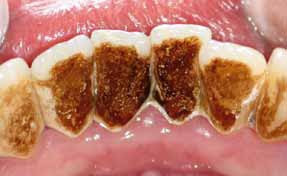
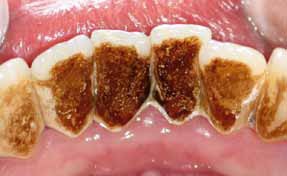
Scaling and polishing itself does not effectively remove staining which arise from smoking, coffee or tea.


With air polishing, stain can remove effectively by blasting sodium bicarbonate, water and air to tooth surface. This gentle jet stream  will remove the stain through light abrasion. Air polishing is used after scaling.


Gentle jet stream of sodium bicarbonate water and air from the Air Flow system.


This is the result after using air polishing. Teeth become whiter, smoother and clean. 


Electrocautery  
Bloodless way to do a surgery


Electrocautery is a surgical technique which involves introducing high frequency current to a specific area of the body in order to remove unwanted tissue, seal off blood vessels, or to create a surgical incision.
Simple surgical procedure can be done using electrocurtery, such as:
  • Crown lengthening 
  • Gingivectomy
  • Removing epulis, 
  • Biopsy
Advantages from electrocurtery:
  • Cleaner
  • Safer
  • Less bleeding
  • Fast healing
Crown lengthening procedure was done with a electrocurtery.


Implants Systems
We are using high quality implant system for our customer. All of this implant systems are well known and top leading in Malaysia as wellas in the world.


 Zimmer Surgical Kit and Implants

Implant 4.7x8mm from Zimmer

Osstem Surgical Kit

Sinus lift set - This set of instruments is used to open the sinus area through lateral windows technique to allowed implants to be place on the upper jaw with very thin alveolar bone verically.


SinusTech set - The latest innovative design of remears used to prepare implant site (internal sinus lift procedure) on bone without injuring or perforating the sinus membrane.


Apex Locator (For Root Canal Treatment)
It is a very useful electronic device to check and determine the length of the tooth during root canal therapy. This will reduce the amount of x-ray exposure to the patient during treatment; and cleaning of the root can be done properly.


Digital SLR Camera 
The important of capturing clinical picture in clinic:
  • For documentation
  • Diagnosis and treatment planning -- especially in the aesthetic region
  • To allow patient to see and appreciate the condition of his teeth
  • To compare before and after treatment -- especially for teeth whitening
  • To allow the laboratory technician to know the appearance of the patient and therefore able to fabricate  correct colour and shape of the prosthesis to the patient
  • To learn and  improve the skill and knowledge of the clinician/dentist
  • To be able to share with other researcher or dentist (in conference)


A digital single-lens reflex (SLR) camera is a camera that typically uses a semi-automatic moving mirror system that permits the photographer to see exactly what will be captured by the film or digital imaging system, as opposed to compact cameras where the view through the viewfinder could be significantly different from what was captured on film. Images taken from SLR camera are clearer and sharper as compared with compact camera.

However, in the mouth where the area of interest was small and dark, ordinary lens with internal flash are not enough to capture good quality pictures. Therefore, here, we are using the Nikon D90 camera with Nikon 105mm f/2.8 VR  micro lens together with a ring flash from Sigma. All of our pictures presented in this blog are taken with this camera!!

Tuesday, 1 January 2013

Dental Implantology- What to know before going for it? What ware the Companies Manufacturing Implants? Is my Case Suitable for Implants? What is the Success Rate of Implants? How will Implant Treatment change the way I look, talk and my personality?

Dental Implants- A Patients Guide

Dental Implants, as the name suggests is a Small Metal Implant placed inside your Bone to act as artificial root for your artificial tooth.

Our human tooth is a great piece of engineering. It bears all the chewing forces, which is around 100kgs. That is when we chew we exert a pressure equal to 100kg between our teeth. Tooth is made of four layers, the Outermost is Enamel, second to Enamel is Dentin and the innermost is soft part called as Pulp. There is a sub-structure Cementum that comprises root part of tooth.

Enamel the Outermost White part of tooth that we see is the Hardest structure in our body. It has 90% Calcium whereas the stiffest bone has around 60% Calcium. So by this we can imagine how hard our tooth is from outside. Enamel has no life.

Dentine is 63% Calcium, yellow in colour and second most hard structure in our body. Actually often people complain of yellowness of their teeth, it is not due to staining but due to exposure of Dentine caused by very hard brush and wrong brushing technique. Dentine is partly live and partly dead. 

Pulp is soft part and living part of tooth. We experience pain and hot&cold sensitivity because of this living part. When we do RCT (Root Canal Treatment) we actually remove this living part. 

Root of our tooth has all these three components and a fourth component that is Cementum. Cementum is similar to bone and may be at places even softer than bone. Cementum is also Yellow in colour and when our gums recedes downwards causing exposure of cementum. Cementum when exposed also causes hot and cold sensitivity.

Coming back to our core topic of discussion, i.e. Implants, implant mimics our natural tooth. It has a Root part and a Crown part. Theoretically implant is only the Root Component whereas the Crown Portion is called as Abutment.

Picture 1
Picture 2
 Picture 1 shows Implant whereas Picture 2 ( sorry for blurr image) shows the Implant loaded with Abutment and Tooth. 

FAQ's
1. How to know whether i am a fit candidate for Implant Treatment or not?
Ans. Any person desiring of getting Implant should be:
1. Medically fit.
2. No signs of Diabetes, and if present should have sufficient history of it being under control.
3. No signs of Hypertension and if present then the Blood Pressure readings before surgery should be below: 150/95 mm Hg
4. No recent history of any Cardiac problem and/or surgery.
5. No recent history of any Thyroid problem.
6. No recent history of any Blood disease like Thalassemia, Leukemia, etc.
7. No recent history of any Infectious disease.

2. How to decide how many implants do i need?
Ans. Rule is simple:
1. Each Molar should be replaced with  One Implant each.
2. Rest all other teeth can be restored using simple rule that the total number of implants supporting the teeth should have equal or more surface area than the teeth being supported on them.

3. Full Mouth Fixed Prosthesis requires how many Implants?
Ans. Greater the number better it is. But 6 Implants for Upper Prosthesis and 5 Implants for Lower Prosthesis.

4. What are the various Companies manufacturing Implants and which one is the Best?
Ans. There are several companies. 
Dentsply Ankylos
Noble Biocare
Leader Italia
MIS
BOI
etc.

It will be unfair to call any company as best, because all are awesome systems. 
Noble Biocare are oldest people manufacturing Implants and have a very great Brand Value. 
Whereas Dentsply Friadent Ankylos is leading implant system and relatively the most advanced one as well. The specially tapered design of Ankylos makes it the most preferred and sturdy implant. Ankylos stands out as an implant system.
Leader Italia is relatively newer system but equally good. This is a very economical system and you will find most dental surgeons in colleges doing this as this is relatively easier to learn and practice.
MIS is a second system which is equivalent to Leader Italia, a bit costlier than Leader though.
BOI is revolutionary system, and the best. But it has certain limitations and being a very radical implant, it is not common. Very few doctors are doing BOI.

5. What is the cost of Implant?
Ans. Normally Each Implant costs varies with the company. Ankylos Costs Rs.25,000 ($500) to 35,000 ($700) each. Leader costs Rs.14000 ($280) whereas MIS around Rs.20000($400) each. Noble Biocare is costliest with costs around $750+. 

6. What tests should be done for Implant surgery?
Ans. CT, BT, Hb, TLC, DLC, BP and Sugar. and any other case specific test.

7. What is most common problem with Implants?
Ans. Loosening of Implant is most common problem associated with Implant system. Every person having an implant at least once has encountered this problem. Recently two companies have introduced Implants with Morse Taper Design which drastically reduces the chances of loosening.
Dentsply Implant and Leader Implus Implants have unique Morse effect, which prevents loosening of the Implant at any point during its life.
So, what is Morse Effect?


The screw with self-locking
tapered head
The screw with self-locking
tapered head is different from the
traditional screw because of the
tapered design of one of its part.
Moreover, the abutment has a
seat with the same tapering in the
hole for the connection screw. The
taper of the cones is 5° 


Inserting with pressure an element with a tapered external surface in a corresponding female element that has a hole with an identical tapered design, the friction between the two tapered surfaces, combined with the push created by the insertion force that presses them together, locks the male cone in the female one. This locking remains and keeps itself efficient also when the insertion force applied ceases. This is the "Morse" effect.
The locking force, which is proportional to the insertion force, prevents the male cone from being extracted from the female one, whether trying to rotate it or by applying an axial push.
A suitable tapering of the cones guarantees such "locking" that will become a safe and natural engaging system for the screw that connects the abutment to the implant.


Keep Reading this Section for More.

Dr. Aman Singh
MClinDent Endodontics
B.D.S. 
On Panel: Lead Medical, New York, USA
                  Share Care, Chicago, USA
                  Lambdon School Dental Project, New Zealand
Member of Netherland Dental Association
Member of Kenyan Dental Association
Member of Indian Dental Association
Reach me at: www.odontos.in
                        www.facebook.com/odontosdh
                        Tweet @odontosindia


Friday, 9 November 2012

Dental problem in sugar disease / dibetes Patient

Diabetes, or as we like to call it - the sweet disease, increases your chances of gum diseases like gingivitis and periodontitis, both being gum diseases. Poor control of blood glucose levels means that your body isn't able to fight off bacteria that invade your gums, causing infections that can lead to the loss of teeth. Another oral problem is dry mouth, which sounds like a minor issue, but can lead to cavities. So in that case, steady control of your glucose levels is the best way to maintain good oral health when you have diabetes.

“Because of this relationship between diabetes and your teeth, it's important to tell your dental hygienist and your dentist that you have diabetes and about any medications you take,” points
  Dr .AmanSingh 
Odontos dental hospital Zirakpur 
.

Startling facts
  • Periodontal (gum) disease is more common in people with diabetes. 1/3rd of diabetics have it.
  • Persons with poorly controlled diabetes are 3 times more likely to have severe periodontitis than those without diabetes.
  • 60% of the people with Diabetes have a dry mouth, gum inflammation (gingivitis and periodontitis), poor healing of oral tissues, plaque & fungal infection and burning mouth and/or tongue. 

Is There a Two-Way Street?

Emerging research also suggests that the relationship between serious gum disease and diabetes is two-way. Not only are people with diabetes more susceptible to serious gum disease, but serious gum disease may have the potential to affect blood glucose control and contribute to the progression of diabetes. Research suggests that people with diabetes are at higher risk for oral health problems, such as gingivitis (an early stage of gum disease) and periodontitis (serious gum disease). People with diabetes are at an increased risk for serious gum disease because they are generally more susceptible to bacterial infection, and have a decreased ability to fight bacteria that invade the gums.

Severe periodontal disease can increase blood sugar, contributing to increased periods of time when the body functions with a high blood sugar. This puts diabetics at increased risk for diabetic complications. Thus, diabetics who have periodontal disease should be treated to eliminate the periodontal infection.

Dental Care tips for People With Diabetes

Dental Care tips for People With Diabetes
  • Since people with diabetes are more prone to conditions that may harm their oral health, it's essential to follow good dental care practices and to pay special attention to any changes in your oral health and to seek a prompt dental consultation if such changes occur. Here are some points to consider.
  • Keep your blood sugar as close to normal as possible. 
  • At each dental care visit, tell your dentist about the status of your diabetes. 
  • See your diabetes doctor before scheduling treatment for periodontal disease. 
  • Make sure to give your dentist your diabetes doctor's name and phone number to include on your personal file. This information will then be readily accessible by your dentist should any questions or concerns arise. 
  • Bring your dentist a list of all the names and dosages of all medications you are taking. Your dentist will need to know this information to prescribe medications least likely to interfere with the medications you are already taking if medications are needed. If a major infection is being treated, your insulin dose (for those taking insulin) may need to be adjusted. Check with your doctor. 
  • Postpone non-emergency dental care procedures if your blood sugar is not in good control. However, acute infections, should be treated right away. 
  • Keep in mind that healing may take longer in people with diabetes. Follow your dentist's post-treatment instructions closely. 
  • People with diabetes with orthodontic appliances (such as braces) should contact their orthodontist immediately if a wire or bracket results in a cut to their tongue or mouth. 
*Images Courtesy: Thinkstock/Getty Images/ http://healthmeup.com/news-healthy-living/how-diabetes-the-sweet-disease-affects-dental-health/16225
Article by - Dr .AmanSingh 

Odontos dental hospital Zirakpur 
Sco-1 Near N.k sharma office  ,

Take care and happy Diwali

Tuesday, 6 November 2012

DRUG INTERACTIONS IN DENTISTRY- ODONTOS DENTAl HOSPITAL


DRUG INTERACTIONS IN
DENTISTRY

INDEX
 Pages-
1-2                             Introduction & definition
3                                Antibiotics, Antifungals, antiinfectives
4-7                            Antibiotics/oral contraceptives;antibiotics-   
                                                                             enzyme induction                      
                                                                                                          
7-8                           Antibiotics/Cationic agents
9 -13                       LA & vasoconstrictor interactions
14                           Drugs causing P450 enzyme induction
15-16                     Opioid analgesic interactions
17-18                     Serotonin Syndrome
19-21                    NSAID interactions
22                          References & Conclusion


DEFINITION-
Drug interaction may be defined as a measurable modification (in magnitude and/or duration) of the action of one drug by prior or concomitant administration of another substance, including prescription, non-prescription drugs, food, alcohol, cigarette smoking or diagnostic tests.
The mechanism of drug-drug interactions can be categorized
    into 5 major areas:
Ø Additive or synergistic pharmacological responses
Ø Antagonistic pharmacological responses
Ø Incompatibility
Ø Common pharmacokinetic pathways
Ø Altered defense mechanism of the host
Ø ADDITIVE OR SYNERGISTIC PHARMACOLOGICAL RESPONSE
EXAMPLE:
    When opioid analgesics such as hydrocodine or oxycodine are prescribed for pain and phenothiazine anti-emetics such as promethazine are prescribed for nausea, each causes sedation and will have an additive effect of potentially excessive sedation.
                                                    1                                              

Ø ANTAGONISTIC PHARMACOLOGICAL RESPONSE
 EXAMPLE:
    Patients treated for attention deficit disorder may be more difficult to sedate with benzodiazepines such as midazolam because of the stimulant effects of psychostimulants
Ø INCOMPATIBILITY
 EXAMPLE:
         When the antibiotic vancomycin is administered parenterally through the same intravenous line either before or after the antibiotic ceftazidime, a cephalosporin, a precipitate will be formed which may occlude the line. Thus to avoid this ceftazidime should be administered first and the intravenous line should be flushed before administering vancomycin.
         Tetracycline antibiotics such as doxycycline form insoluble complexes called chelates with divalent cations, such as calcium or magnesium. Therefore, if doxycycline is taken with milk, other dairy products or antacids, a chelate will form and doxycycline will not be absorbed in the GIT but will be excreted. To avoid this tetracyclines should not be administered within 2 hrs of calcium sources.

                                                      2

Ø COMMON PHARMACOKINETIC PATHWAY
  EXAMPLE:
  The drug probenecid was designed to occupy the tubular secretion site for organic acids in the kidney. By administering probenecid to a patient, their kidneys did not tubularly secrete other organic acids such as penicillins, prolonging the length of time that the penicillin stayed in the body.
    ( this drug interaction was utilized to preserve the small supplies   of penicillin antibiotics when treating the wounded during          World War II) 

ANTIBIOTICS, ANTIFUNGALS AND OTHER ANTI-INFECTIVE AGENTS
Antibiotic prophylaxis before treatment for periodontal patients is required in following cases:
Ø Patients at risk of developing endocarditis
Ø Patients with prosthetic cardiac valve
Ø Congenital heart disease
Ø Orthopedic joint replacement
Ø Patients who have received an organ transplant

                                                        3

ANTIBIOTICS 
                    &
           
                 ORAL CONTRACEPTIVES
Mechanism of interaction:
  
  The mechanism in this interaction involves the enterohepatic recycling of the conjugated estrogen excreted in the bile, reactivated by the gastrointestinal flora and reabsorbed as active drug. Because today’s oral contraceptives are low-dose or very low-dose estrogen products, it is theorised that even small decreases in estrogen absorption could render the pill ineffective.

Table: Inhibition of cytochrome P450 enzymes by antibiotics, antifungals
and anti-infectives which increase interacting drug effects
                                              
                                                     4

                                                                                        5
kz


                                                                          6       
Ø The macrolide antibiotic azithromycin does not inhibit hepatic enzymes and is a safe alternative in patients taking these interacting medications.
Ø  Nystatin may be used as an alternative antifungal for mild oral fungal infections in patients who are not immunocompromised, but true therapeutic alternatives do not exist for treatment with azole anti-fungals.
Ø Metronidazole is used to treat the anaerobic component of oral infection with penicillin treating the aerobic component, clindamycin may be used alone as an alternative to treat those mixed infections.
Ø ANTIBIOTICS Vs CATIONIC AGENTS
Ø Several agents can substantially reduce the absorption of fluoroquinolones and tetracyclines thereby causing treatment failure.
Ø Divalent cations (calcium and magnesium) and trivalent cations (aluminum and ferrous sulfate) can form insoluble complexes in the gut if they are taken concurrently with fluoroquinolones thus reducing absorption of fluoroquinolones and tetracyclines by 60-75%.
Ø To avoid this, the fluoroquinolone/tetracycline and cation product should be administered at least two hours apart (preferably four hours apart).
Ø Common products containing divalent or trivalent cations are listed in Table .


                                                               7

TABLE
Common Products Containing Divalent or Trivalent Cations
Aluminum
Alu-Cap, AlternaGel, Amphojel, Basaljel
Aluminum and magnesium combinations
Gelusil, Maalox, Mylanta, Riopan
Calcium
Caltrate, Citracal, Os-Cal, PhosLo, Titralac, Tums
Iron
Feosol, Fergon, Niferex, Nu-Iron, Slow Fe
Magnesium
Almora, Citrate of Magnesia, Mag-Ox 400, Milk of Magnesia, Slow-Mag, Uro-Mag


                                                                      8

LOCAL ANESTHETICS

   The most common time for an emergent or adverse event to occur in a dental office is around the time of the administration of the local anesthetic. Local anesthetics carpules used in dentistry frequently contain a vasoconstrictor in addition to the local anesthetic. The presence of vasoconstrictor provide the greater source for potential drug-drug interactions than does the local anesthetic.
VASOCONSTRICTOR
The vasoconstrictor is present to localise the injection to the site of administration and to decrease bleeding in the area. The two vasoconstrictors commonly used in dentistry are epinephrine and levonordefrin.
Ø Epinephrine stimulates both alpha and beta (both beta-1 and beta-2) adrenergic receptors equally(50/50)
Ø Levonordefrin stimulates alpha receptors 3 times more than beta-1 receptors(75/25).